
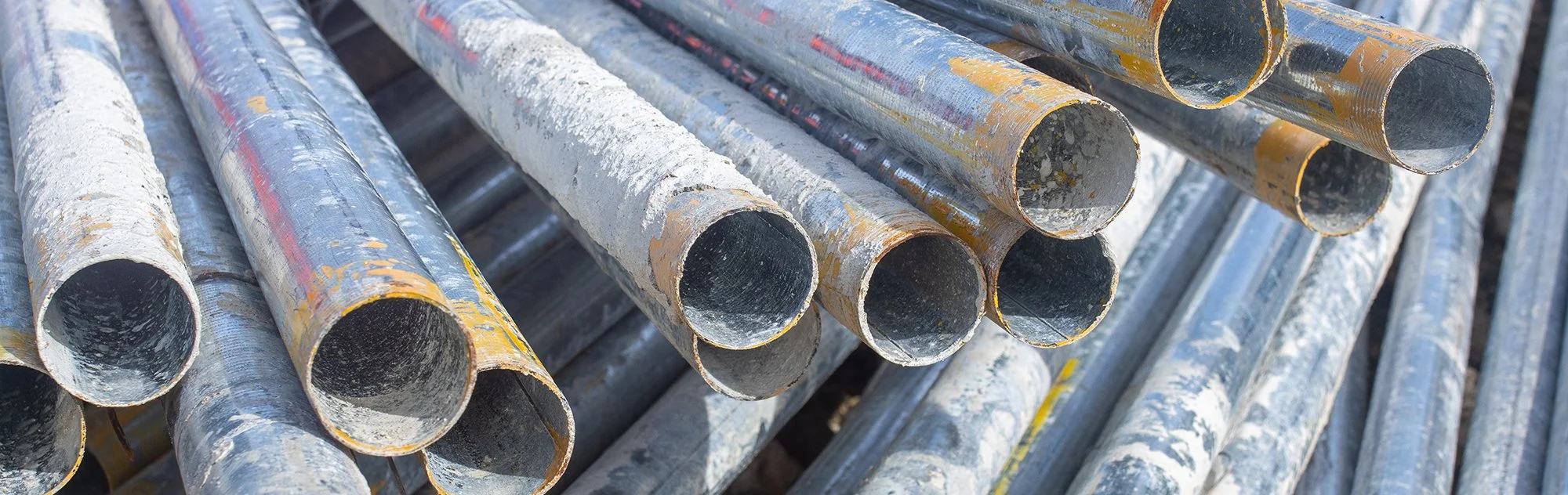
What Is a Galvanized Pipe? Understanding the Risks in Older Homes
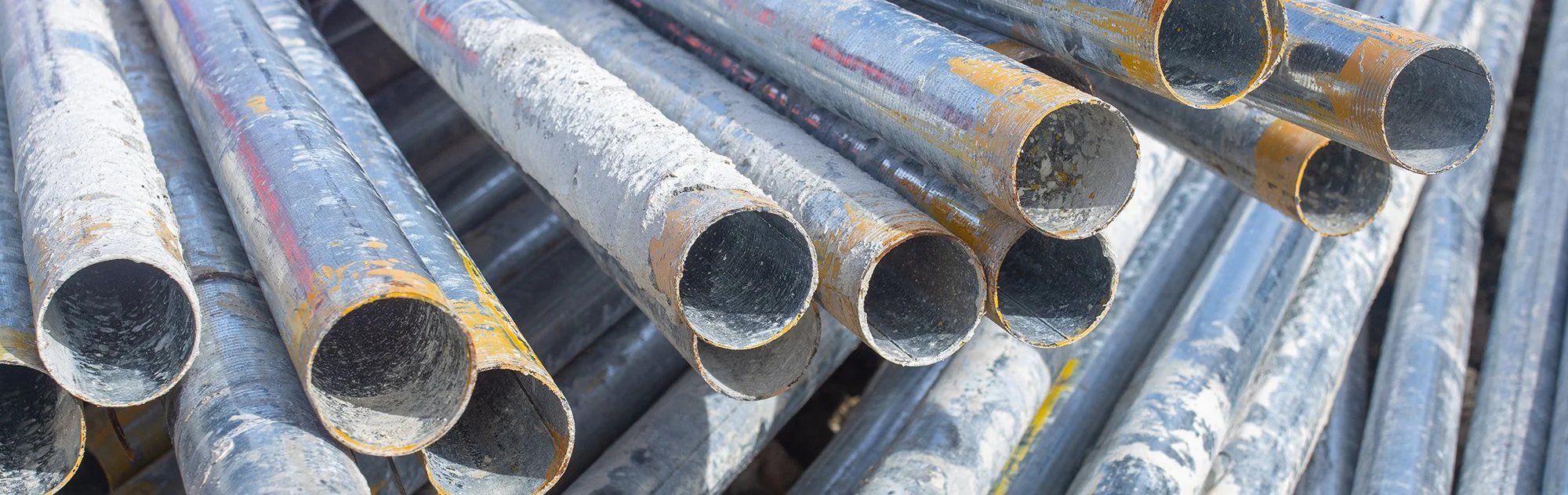
What Are Galvanized Pipes?
A galvanized pipe is a type of piping material commonly found in older homes and buildings. Made from steel and coated with molten zinc, it was widely used in the past for plumbing systems due to its corrosion resistance and durability. However, as time has passed, the downsides of using galvanized steel pipe have become increasingly apparent, especially in residential plumbing.
Galvanized piping was initially considered a good choice for water supply lines, water heaters, and fire sprinkler systems because of its protective zinc coating. Despite its early popularity, the aging of these pipes has led to numerous issues, including reduced water pressure, discolored water, and potential health concerns like lead contamination. Understanding the risks associated with galvanized pipes is essential for homeowners, particularly those living in older homes. Learn more about galvanized pipes with the team at Right Choice Plumbing & Rooter.
What Is a Galvanized Pipe?
The Basics of Galvanized Steel Pipes
Galvanized steel pipes are created by coating steel pipes with molten zinc during a process known as galvanization. This galvanized coating forms a protective layer that shields the steel from corrosion and rust, extending the pipe's lifespan. Originally, this type of pipe was favored for its corrosion resistance, making it a common choice for residential homes, fire sprinkler systems, and water lines. The zinc layer also helps prevent mineral deposits from accumulating inside of the pipe, allowing for smoother water flow during its early years of use.
Many older homes still have galvanized piping in place, as it was a standard building material throughout much of the 20th century. While the protective layer of zinc provided significant benefits at the time, issues like aging, corrosion, and reduced water pressure have made it less favorable compared to modern alternatives.
How the Galvanization Process Works
The galvanization process involves a method known as hot dip galvanizing. This manufacturing process submerges black steel pipes into molten zinc to create a protective zinc coating on the surface. This coating acts as a barrier to prevent iron oxide, commonly known as rust, from forming on the steel. By slowing down corrosion, the life expectancy of galvanized steel pipe is significantly extended, making it suitable for residential plumbing and other applications.
However, over time, the protective layer of zinc can wear off, exposing the steel underneath to moisture and air. This results in rust and other forms of corrosion, diminishing the pipe's durability. While the process was a good choice for plumbing needs in the past, modern piping materials like copper piping, PEX pipes, and polyvinyl chloride (PVC) now offer better corrosion protection and longer-lasting solutions.
Why Are Galvanized Pipes a Problem in Older Homes?
Common Issues with Galvanized Piping
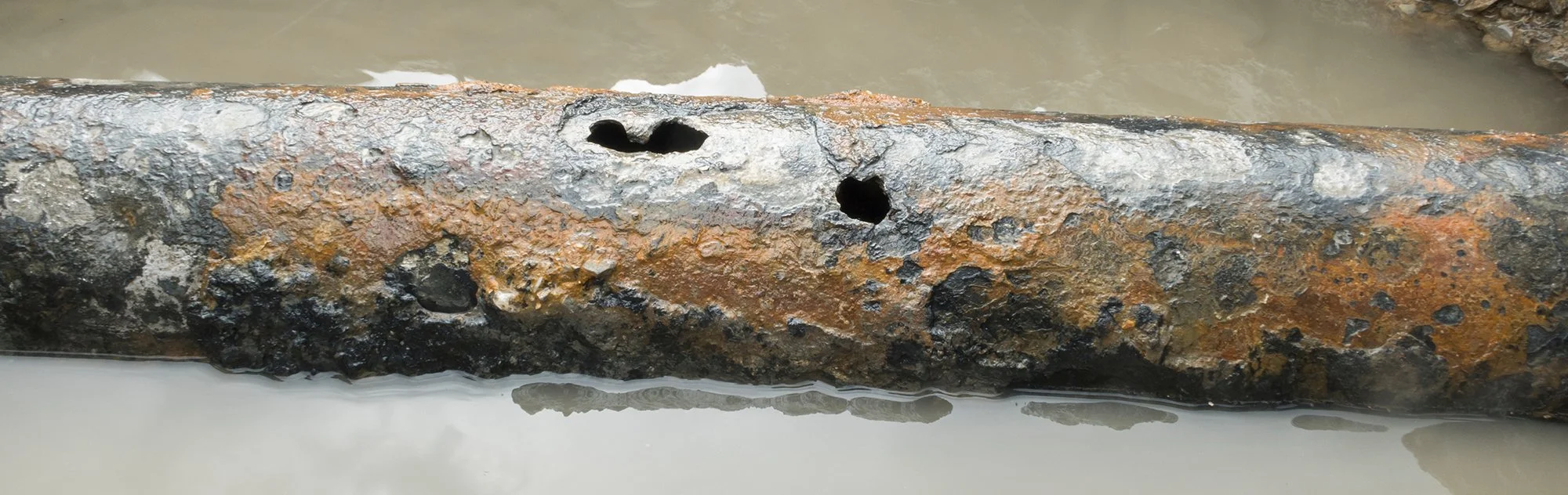
Galvanized pipes in older homes are prone to several problems due to aging and the breakdown of the protective zinc layer. One major issue is the buildup of corrosion inside of the pipe, which reduces water flow and leads to low water pressure. As corrosion worsens, it can cause discolored water to flow through taps, often accompanied by a metallic or bitter taste. This is not only unpleasant but can also indicate the presence of harmful substances.
Another concern with galvanized piping is the potential for lead contamination. As the protective zinc coating deteriorates, lead from the original piping materials or solder can leach into the water supply. This poses significant health risks, especially for families with children. Frequent leaks, pipe bursts, and the need for constant repairs are also common signs of deteriorating galvanized steel pipes.
Impact on Residential Plumbing Systems
Modern plumbing systems are often incompatible with older galvanized pipes. For instance, connecting galvanized piping to newer materials like PEX pipes or copper piping can lead to pipe joint issues and increased corrosion. Additionally, corrosion inside the pipes can affect water heaters and air conditioning piping systems, leading to costly repairs or replacements. Homeowners may also face challenges when trying to meet current plumbing needs, as the aging galvanized steel pipe may no longer be reliable or safe for drinking water distribution systems.
How Long Will Galvanized Pipe Last Underground?
Factors Affecting Durability
Galvanized pipes typically have a life expectancy of 50 to 70 years. However, underground galvanized piping is exposed to additional factors that can significantly reduce its lifespan. Moisture, soil acidity, and the absence of a sacrificial anode all contribute to faster corrosion. Over time, the protective layer of zinc wears away, leaving the steel vulnerable to rust and degradation. This can lead to leaks, pipe bursts, and contamination of the water supply.
The durability of underground galvanized pipes also depends on the coating process used during manufacturing and the quality of the zinc layer. In many cases, homeowners in older homes may find that their underground pipes have already reached the end of their usable life, necessitating replacement.
Signs of Corrosion and Aging
There are several signs that galvanized pipes are corroding or aging. Discolored water, often brown or reddish in appearance, is a clear indicator of rust or corrosion inside the pipe. Reduced water pressure is another common symptom, caused by the buildup of mineral deposits and rust that restrict water flow. Visible rust or corrosion on pipe joints or other exposed sections of piping can also signal that the pipes are nearing the end of their lifespan. These issues can compromise drinking water distribution systems and lead to further damage if not addressed promptly.
Should I Replace Galvanized Pipes?
When to Consider Replacement
Replacing galvanized pipes is often necessary when homeowners experience persistent low water pressure, frequent leaks, or visible signs of corrosion. Aging galvanized steel pipes are particularly concerning in older homes, as they may also contain lead pipes or other outdated plumbing materials. If lead contamination or discolored water is present, immediate pipe replacement is strongly recommended to protect the health and safety of your household.
Additionally, if you notice pipe bursts or find that your plumbing system cannot meet modern plumbing needs, it may be time to replace galvanized piping with more reliable materials. A home inspector can help identify the condition of your existing pipes and recommend the next step.
Modern Piping Materials to Replace Galvanized Pipes
There are several modern piping materials available to replace outdated galvanized pipes. PEX pipes are a popular choice for their flexibility, corrosion resistance, and ease of installation. Copper pipe is another reliable option, known for its durability and ability to improve water quality. For those looking for a lightweight and cost-effective solution, polyvinyl chloride (PVC) pipes are an excellent alternative.
Each type of pipe offers unique benefits, so it’s essential to consider your specific plumbing needs when deciding on a replacement material. Consulting a licensed plumber can help ensure that you choose the right option for your home.
Benefits of Replacing Galvanized Piping
Upgrading to modern plumbing materials can provide numerous benefits for homeowners. Replacing galvanized piping improves water flow, enhances tap water taste, and eliminates the risk of lead contamination. It also reduces the likelihood of costly repairs from pipe bursts or water damage, saving you money in the long run.
Additionally, new plumbing systems increase the overall value and safety of residential homes. By addressing potential health concerns and ensuring a reliable water supply, homeowners can enjoy greater peace of mind.
Professional Pipe Replacement and Repair Services
Professional services for pipe replacement and repair are essential when dealing with aging galvanized pipes. Trenchless pipe rehabilitation and epoxy coating solutions offer minimally invasive options for addressing corroded water lines. Hydro jetting can be used to clear mineral deposits and restore water flow without the need for extensive excavation.
Licensed technicians can replace black steel pipes, sewer pipes, and other outdated piping materials with modern alternatives. Same-day service is often available for urgent plumbing needs, ensuring that your home’s plumbing system is restored as quickly as possible. Call us today to take advantage of special offers like $89 off pipe rehabilitation or replacement services.
By working with experienced professionals, homeowners can address plumbing issues efficiently and effectively, protecting their homes from further damage.
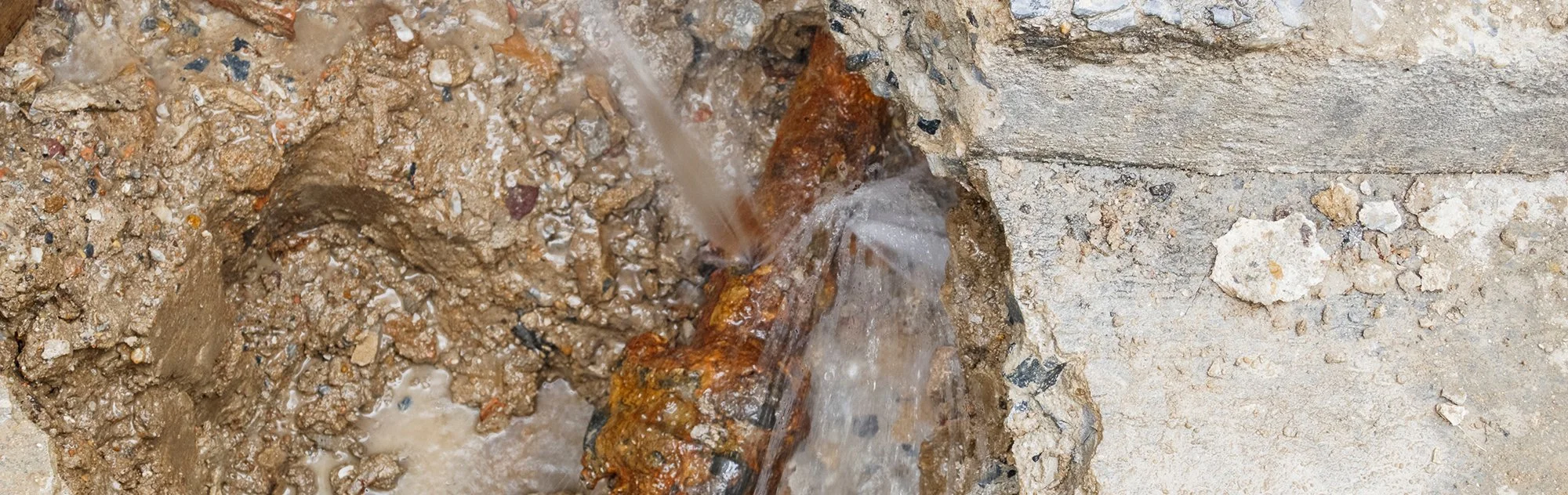
Act Now to Protect Your Plumbing System
Taking proactive steps to address galvanized pipes in your home can prevent costly repairs and potential health concerns down the road. Scheduling an inspection with a trusted plumbing service like Right Choice Plumbing & Rooter ensures that any issues are identified and resolved promptly. From pipe replacement to trenchless repair solutions, professionals can help you modernize your plumbing system and safeguard your home’s water supply.
Don’t wait for problems to escalate—act today to protect your plumbing system and improve your home’s safety and value. Contact Right Choice Plumbing & Rooter to schedule an inspection and take advantage of expert services tailored to your plumbing needs.
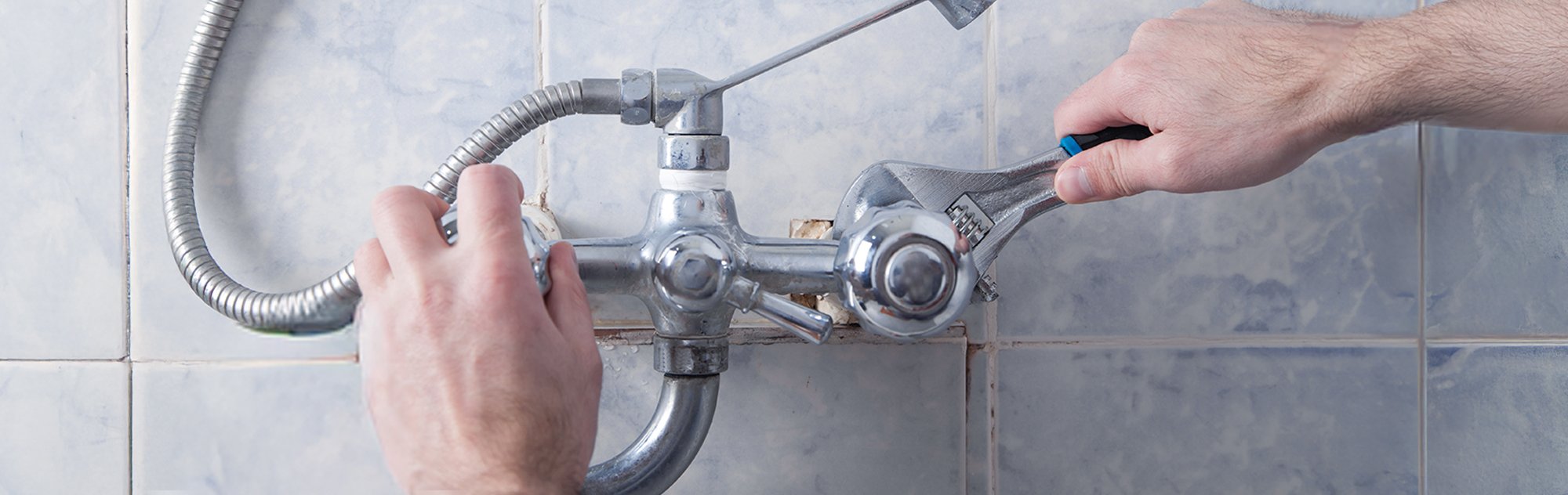
Why Is My Water Pressure Low? Common Causes and How to Fix It
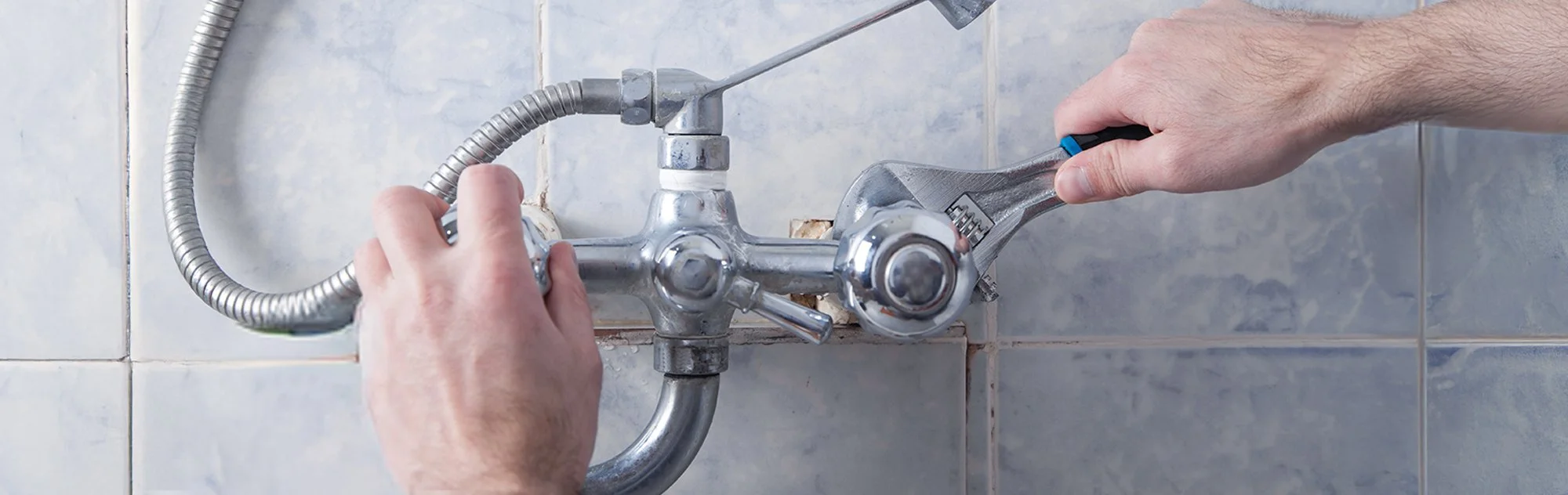
Low Water Pressure: Causes and Solutions
Experiencing low water pressure in your home can be frustrating, especially when it disrupts everyday tasks like washing dishes, showering, or running your washing machine. There are various reasons why your water pressure might be low, ranging from minor plumbing issues to larger concerns involving your water supplier or aging infrastructure. Understanding the causes of low water pressure is the first step to restoring the ideal water pressure throughout your house.
Whether it's clogged pipes, a faulty pressure regulator, or water supply issues, pinpointing the problem is essential. Some solutions are an easy fix, like cleaning a faucet aerator or adjusting the main shutoff valve. However, more complex issues may require the help of a licensed plumber like Right Choice Plumbing & Rooter to ensure the flow of water is restored efficiently and safely. In this guide, we’ll explore the most common causes and remedies for low water pressure problems in your home.
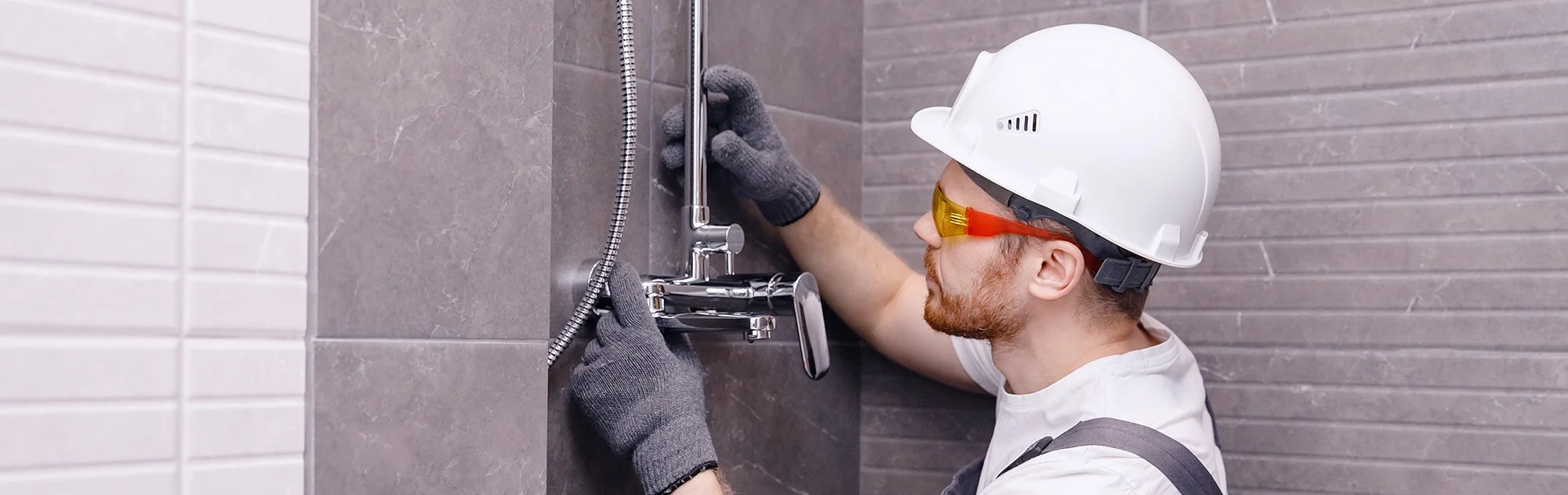
What Are the Most Common Causes of Low Water Pressure?
Low water pressure issues can arise due to various factors, and identifying the root cause is crucial for finding the right solution. From plumbing fixtures to municipal water supply problems, the most common causes of low water pressure often fall into a few key categories. Let’s explore these in more detail to understand what might be affecting your home’s water pressure.
Mineral Buildup and Hard Water
Hard water is one of the most common reasons for low water pressure, especially in areas with high mineral content in the water supply. Over time, mineral deposits like calcium and magnesium can accumulate inside your home’s pipes and plumbing fixtures. This buildup narrows the pipes, reducing the flow of water and leading to a noticeable drop in pressure.
The effects of hard water are not limited to just pipes; faucet aerators, showerheads, and other plumbing fixtures can also suffer from mineral buildup. Installing a water softener can help minimize these issues by reducing the amount of mineral content in your water, thus prolonging the life of your plumbing system and maintaining consistent pressure levels.
Clogged Faucets or Aerators
Faucet aerators and showerheads are designed to improve water efficiency by mixing air with water. However, these fixtures can easily become clogged with sediment buildup, especially in areas with hard water. When debris or mineral deposits accumulate in the tiny openings of a faucet aerator, it restricts the flow of water, resulting in less water pressure at the tap.
Fortunately, this is an easy fix. Your plumber can clean the aerator by unscrewing it from the faucet, soaking it in vinegar to dissolve the sediment, and scrubbing away any remaining debris. If cleaning doesn’t restore the pressure, replacing the aerator or showerhead might be necessary. Addressing these clogs promptly can improve your daily life and ensure proper water flow in your home.
Leaks and Aging Pipes
Water leaks and aging pipes are among the most common causes of low water pressure in older homes. Leaky pipes or pipe corrosion can restrict water flow and lead to a sudden drop in pressure. Signs of leaks may include visible water damage, unexpectedly high water bills, or damp spots on walls and ceilings. Pipe corrosion, often found in older copper pipes, can also degrade over time, leading to blockages and low pressure.
If you suspect water leaks or pipework issues, it’s essential to call Right Choice for leak detection services. Ignoring these problems can lead to more significant issues like water damage or burst pipes. In some cases, pipe replacement may be necessary to restore your home’s water pressure and prevent future plumbing problems.
Faulty Pressure Regulators or Valves
Pressure-reducing valves, gate valves, and ball valves play a critical role in controlling your home’s water pressure. If these components are faulty or not adjusted correctly, they can cause low pressure throughout your house. For example, a malfunctioning pressure regulator might limit the amount of water entering your home’s plumbing system, resulting in less water flow at faucets and fixtures.
Additionally, if the main shutoff valve or water meter valve is not fully open, it can restrict the flow of water to your entire home. Checking these valves and ensuring they are in the correct position can often resolve the issue. If the problem persists, replacing faulty valves or regulators with the help of the plumbers at Right Choice may be necessary to restore ideal water pressure.
Municipal or Main Water Supply Problems
Sometimes, the causes of low water pressure are beyond your control and stem from issues with your municipal water supply. Maintenance work, high water usage during peak times, or a problem with the water main can all lead to temporary pressure drops. To confirm whether the issue lies with your water supplier, contact your local water company or provider for updates on potential disruptions or repairs.
If your water supplier confirms ongoing supply issues, a water pressure booster can be an effective solution. This device increases the pressure of the water entering your home, ensuring a consistent flow even during times of high demand. Installing a booster is especially beneficial if you frequently experience low pressure due to municipal supply problems.
Water Heater or Well System Problems
Low water pressure can also originate from problems with your water heater or well system. For instance, sediment buildup inside a water heater can restrict hot water pressure, making it difficult to use fixtures that rely on a steady hot water supply. Similarly, if your home uses a well system, issues like a failing well pump or a low pressure tank charge can impact the pressure throughout your entire home.
These problems often require specialized tools and expertise to diagnose and fix. Right Choice can inspect your water heater or well system, flush out sediment buildup, and repair or replace malfunctioning components. Addressing these issues promptly ensures that both your hot water pressure and overall water flow are restored.
How Do You Increase Water Pressure in Your House?
Increasing water pressure in your house depends on identifying the root cause of the problem. While some fixes are simple and can be done on your own, others require professional assistance. Here are some effective ways to restore your home’s water pressure to its ideal levels.
Simple Fixes for Low Pressure
For minor low water pressure problems, there are a few simple steps you can take. Start by cleaning faucet aerators, showerheads, and hose spigots to remove clogs caused by sediment buildup. Ensuring that the main water supply line is unobstructed and all valves, including the main shutoff valve and water meter valve, are fully open can also help restore proper water flow.
If hard water is a persistent issue in your area, installing a water softener can prevent future mineral deposits and maintain steady pressure. These small but effective fixes can make a big difference in resolving low pressure issues and improving your daily life.
When Professional Help Is Necessary
While simple fixes can address some low pressure problems, other situations require the expertise of a licensed plumber. Persistent low water pressure throughout your entire home, signs of leaky pipes or burst pipes, and issues like pipe corrosion or faulty pressure regulators are all indicators that professional assistance is needed. A plumber can use specialized tools to diagnose and resolve complex plumbing problems, ensuring your home’s water pressure is fully restored.
Additionally, if water supply issues from your municipal provider are affecting your home, a plumber can recommend and install a water pressure booster to improve consistency. By addressing these more serious problems promptly, you can avoid water damage and costly repairs while enjoying reliable water pressure in your home.
When to Call Right Choice
While some low water pressure issues can be resolved with quick fixes, others require the expertise of a professional plumber. Persistent problems, such as low pressure throughout your entire home or recurring issues with specific plumbing fixtures, often indicate underlying plumbing problems that need professional attention. Our team can assess your home’s pipework, valves, and water lines to identify the root cause of the issue.
If you notice signs of water leaks, such as damp spots, water damage, or unexpectedly high water bills, it’s essential to contact Right Choice Plumbing & Rooter immediately. Leaky pipes, burst pipes, or pipe corrosion can lead to significant water supply issues and potential structural damage if left unresolved. Professional plumbers use specialized tools for leak detection and pipe replacement, ensuring that your home’s plumbing system is restored safely and efficiently.
Additionally, plumbing problems like clogged pipes, faulty pressure-reducing valves, or issues with the main shutoff valve often require professional expertise. Attempting to fix these problems without the proper knowledge or tools can result in further damage. By calling the team at Right Choice, you can address these issues quickly and avoid long-term consequences such as water damage or costly repairs.
For homes relying on a well system, problems like a low pressure tank charge or failing well pump also warrant a professional inspection. These systems require specific knowledge and equipment to repair or replace components effectively. A plumber can help restore the flow of water and ensure that your home’s water pressure meets the ideal square inch measurements for optimal performance.
Why Choose Right Choice Plumbing & Rooter?
At Right Choice Plumbing & Rooter, we understand how disruptive low water pressure can be to your daily life. That’s why we offer same-day plumbing services to address all your plumbing needs quickly and efficiently. Our licensed plumbers specialize in leak detection, pipe replacement, and resolving water supply issues to restore your home’s water pressure to its ideal levels.
Equipped with state-of-the-art tools, our team can handle a wide range of plumbing problems, from clogged pipes to water line repairs and well system maintenance. When you schedule a service with us, you’ll save $89 on any plumbing service, making it more affordable to get the help you need. Call us today at 410-635-1645 to speak with a professional plumber and resolve your low water pressure problems.
How to Prevent Pipes from Freezing in Winter: Expert Tips to Protect Your Home
Keep Your Pipes From Freezing
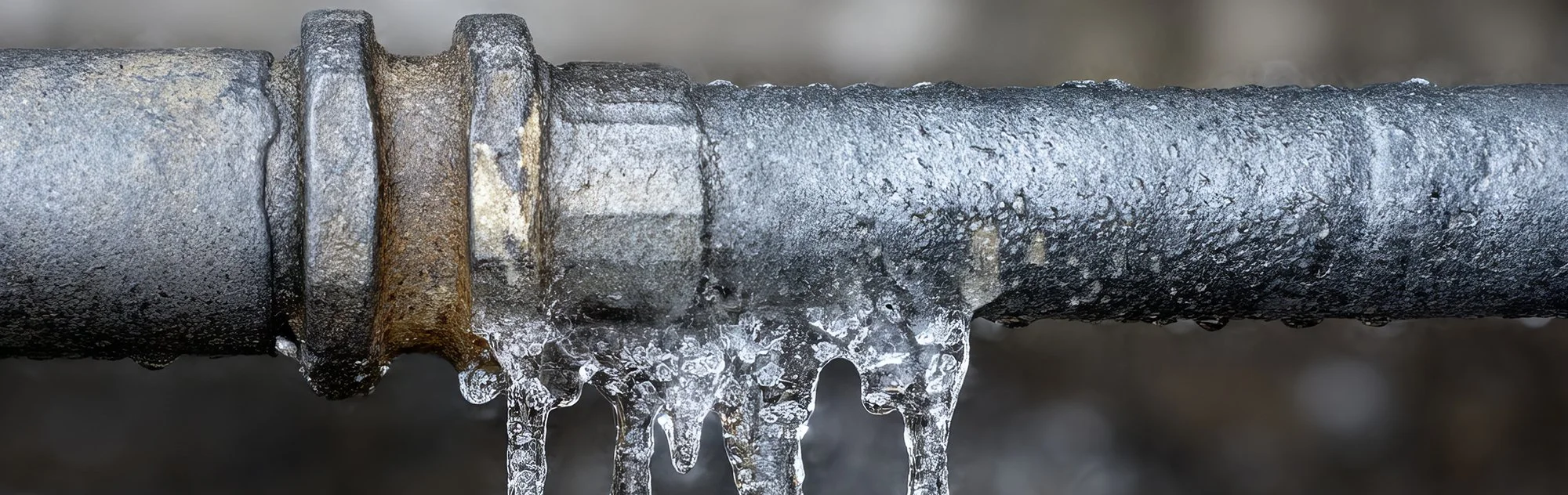
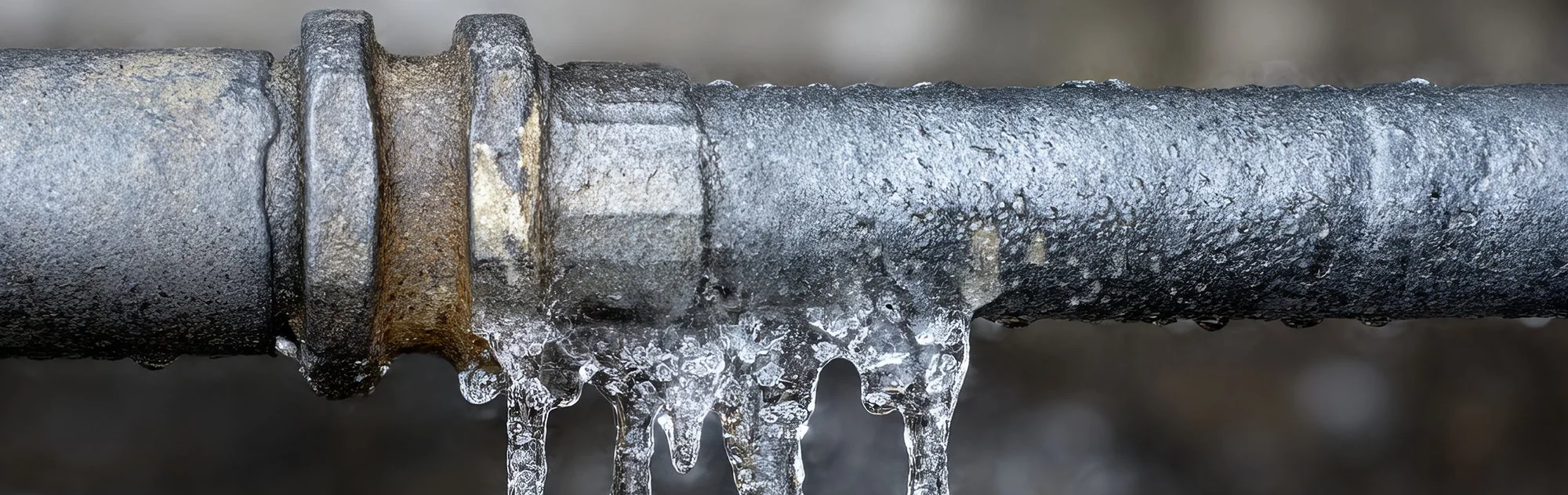
As the winter weather sets in and temperatures drop, the risk of frozen pipes becomes a real concern for homeowners. When water inside pipes freezes, it expands, which can lead to a burst pipe and costly damage to your home. Knowing how to prevent pipes from freezing in winter is essential to avoid disruptions, water damage, and unnecessary repairs. At Right Choice Plumbing & Rooter, we see firsthand how quickly frozen pipes can turn into major plumbing emergencies during cold weather.
Whether you’re dealing with exposed plumbing in unheated areas or pipes along exterior walls, there are several proactive steps you can take to protect your water system. From using pipe insulation to keeping garage doors closed, these expert tips will help you safeguard your home and ensure your water supply lines stay intact through freezing temperatures. If you’re unsure where to start, the licensed professionals at Right Choice Plumbing & Rooter are always available to help with inspections and winter plumbing preparation.
Why Pipes Freeze (and Which Pipes Are Most at Risk)
How Freezing Temperatures Cause Frozen Pipes
When the temperature drops below freezing, the water inside pipes can freeze and expand. This expansion creates immense pressure within the pipe walls, which may lead to cracks or even a burst pipe. Pipes in unheated areas, such as crawl spaces, garages, and attics, are particularly vulnerable since these spaces are often exposed to frigid temperatures without adequate protection or insulation.
In extreme cases, the risk of freezing increases when wind chills push the temperature even lower, allowing cold air to penetrate cracks or unsealed areas around the home. Properly addressing these areas can significantly reduce the likelihood of pipe freezing during winter weather. Right Choice Plumbing & Rooter often recommends sealing and insulating these vulnerable areas as one of the most effective preventive steps.
Pipes Most Likely to Freeze
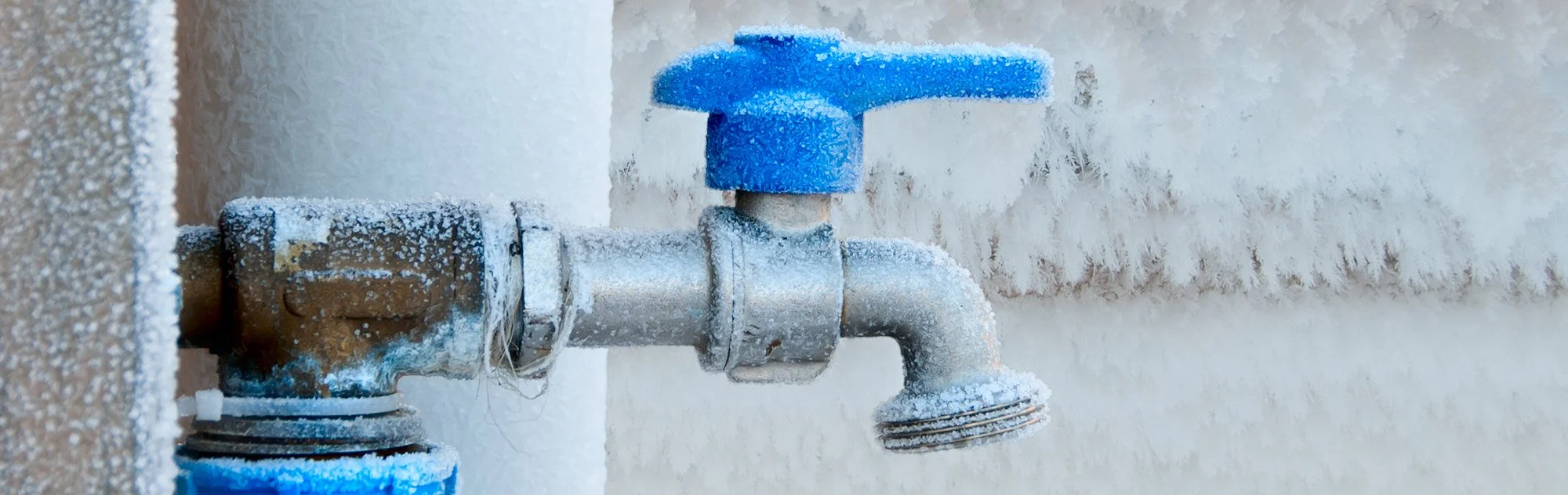
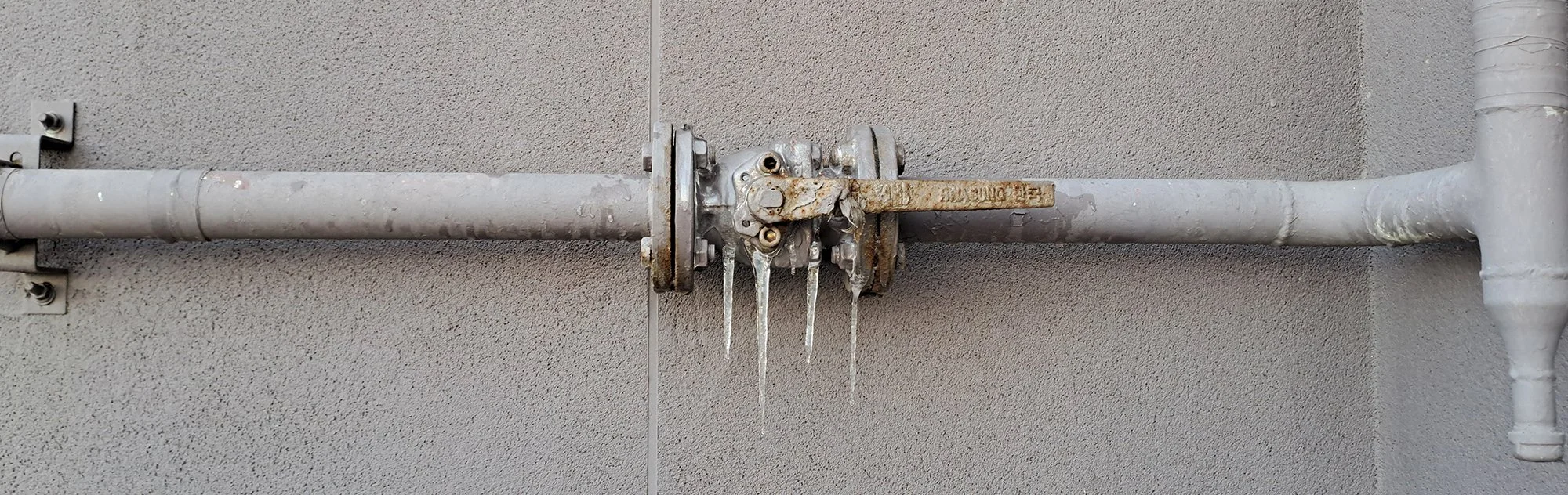
Pipes located along exterior walls or outside walls are most susceptible to freezing, as they are directly exposed to the cold. Outdoor faucets, garden hoses, and sprinkler systems are also at high risk, especially when not properly winterized. Additionally, water supply lines in basements, crawl spaces, or under bathroom cabinet doors can freeze if they lack insulation or access to warm air.
Standing water left inside outdoor hoses or sprinkler systems can freeze and expand, causing damage to the connected plumbing. This is why it is crucial to disconnect and drain water from these outdoor pipes before the freezing temperatures set in. If outdoor plumbing is overlooked, Right Choice Plumbing & Rooter frequently responds to burst pipe and water line repair calls during the winter months.
How to Prevent Pipes from Freezing in Winter
Preventing frozen pipes starts with proactive measures. Begin by installing pipe insulation or foam insulation around exposed plumbing. This helps maintain higher temperatures inside the pipes, even when the surrounding area is cold. For areas prone to drafts, such as near dryer vents, windows, and pipe penetrations, sealing any gaps or cracks will reduce the impact of freezing weather.
Keeping garage doors closed is another simple yet effective step, as it prevents cold air from entering spaces where water supply lines may be located. Ensure warm air circulates in unheated areas by opening cabinet doors under sinks, especially during bitter cold conditions. Allowing a cold water drip from faucets can also keep water flowing and reduce the risk of freezing. These are some of the most common prevention tips recommended by Right Choice Plumbing & Rooter to homeowners each winter.
Outdoor pipes require special attention. Disconnect outdoor hoses, drain water from them, and cover outdoor faucets with insulated covers. Winterizing your sprinkler system is essential to prevent any standing water from freezing inside the pipes. For extreme cold weather, consider using heat tape or heat cables as a preventive measure, but always follow the manufacturer’s safety guidelines to avoid fire hazards. If you’d rather leave winterization to a professional, Right Choice Plumbing & Rooter offers thorough plumbing inspections and preventative services.
How to Keep Pipes From Freezing During Extreme Cold
Steps to Take Before Freezing Weather
Before temperatures plunge, inspect and insulate cold water pipes and your water tank, especially those located in unheated areas. This extra layer of insulation can significantly reduce the risk of pipe freezing. Locate your water shutoff valve and ensure it is easily accessible in case of an emergency, such as a burst pipe. Knowing the location of the shutoff valve can save valuable time and minimize water damage. Right Choice Plumbing & Rooter technicians always make sure homeowners know where their shutoff valve is located during service calls.
Seal any cracks in exterior walls or around windows to reduce the entry of cold air and limit wind chills. Using weatherstripping or caulk is a cost-effective way to keep your home sealed and warm. These small steps can make a big difference in maintaining higher temperatures around your water system.
When Freezing Temperatures Arrive
Once freezing weather arrives, take additional precautions to protect your pipes. Let a trickle of water flow from your faucets to maintain water flow and prevent freezing. The moving water helps to keep pipes from reaching the freezing point. If you have exposed plumbing in unheated areas, use a portable space heater to warm the area safely and effectively.
Closing garage doors is a critical step to keep frigid temperatures out of your water system area. If you have pipes running through the garage or near exterior walls, keeping the doors closed will help maintain a more stable temperature and reduce the risk of freezing. During extreme cold snaps, Right Choice Plumbing & Rooter often reminds homeowners that even small precautions can prevent major plumbing disasters.
Warning Signs Your Pipes May Be Freezing
Recognizing the warning signs of freezing pipes can help you act quickly to prevent further damage. One of the first indicators is reduced water pressure or no water flow from your faucets. This often signals a frozen section within the pipe lines. Frost forming on the exterior of pipes or the water meter in unheated areas is another clear sign of freezing temperatures affecting your plumbing.
Unusual smells coming from drains may also indicate frozen standing water that is blocking the pipe. In severe cases, you might notice bulging or cracked pipes, particularly along outside walls or in crawl spaces. Strange noises, such as banging or gurgling, within your water system could also point to a blockage caused by freezing. If you notice any of these warning signs, contacting Right Choice Plumbing & Rooter right away can help prevent a burst pipe and extensive water damage.
What Do You Do If Your Pipes Freeze? (Do This First)
If you suspect your pipes have frozen, the first step is to keep the affected faucets slightly open. This helps relieve pressure as the frozen area begins to thaw and allows water to flow once the blockage is cleared. Next, locate the frozen section of the pipe, which is often found in crawl spaces, exterior walls, or unheated areas.
If you notice a burst pipe, immediately shut off the water at the main shutoff valve to prevent further water damage. Avoid using harmful cleaners or flammable materials to thaw pipes, as these can create additional risks. Instead, call a licensed plumber if you are unable to safely thaw frozen pipes on your own. Right Choice Plumbing & Rooter provides same-day and emergency plumbing services to handle frozen and burst pipes quickly and safely.
How to Defrost Frozen Pipes Safely (DIY Steps + What NOT to Do)
Safe Methods for Thawing Pipes
If you discover a frozen pipe, it’s important to thaw it safely to prevent further damage. Begin by applying heat gradually to the affected area. A hair dryer, heating pad, or warm towels can be effective tools for this task. Start near the faucet and work your way back along the pipe line to ensure water can begin flowing as the ice melts.
Another option is to use a portable space heater to warm the frozen area, but be sure to place it safely away from flammable materials or other hazards. Always monitor the process and avoid leaving the heater unattended. For pipes located in hard-to-reach areas, such as a crawl space or behind walls, professional assistance from a licensed plumber may be necessary to ensure the job is done safely and effectively. This is where the experienced team at Right Choice Plumbing & Rooter can step in to help.
What to Avoid When Thawing Pipes
When attempting to thaw frozen pipes, it is crucial to avoid methods that could cause more harm than good. Never use open flames, torches, or charcoal grills to thaw pipes, as these pose significant fire risks and can damage the pipe material. Additionally, refrain from using harmful cleaners or chemicals, as they can corrode the pipes or introduce hazardous fumes into your home.
If you encounter a burst pipe or suspect significant damage, stop all attempts to thaw the pipe and call an emergency plumber immediately. Acting quickly and responsibly can minimize water damage and ensure the safety of your home and loved ones. Right Choice Plumbing & Rooter is available for emergency plumbing situations when frozen pipes turn into urgent problems.
Protect Your Home from Frozen Pipes This Winter
Preventing frozen pipes is essential to avoiding costly damage and ensuring your water system runs smoothly throughout the cold months. By following the tips outlined above—such as using pipe insulation, sealing drafts, and allowing faucets to drip—you can greatly reduce the risk of pipe freezing, even in the harshest winter weather.
If you need professional assistance, don’t hesitate to call a licensed plumber for guidance and repairs. Right Choice Plumbing & Rooter offers same-day service, clear communication, and upfront pricing to help protect your home from winter plumbing issues. Taking proactive steps now will give you peace of mind, protect your property, and help you enjoy a safe and comfortable holiday season with your loved ones.