
How to Prevent Pipes from Freezing in Winter: Expert Tips to Protect Your Home
Keep Your Pipes From Freezing
As the winter weather sets in and temperatures drop, the risk of frozen pipes becomes a real concern for homeowners. When water inside pipes freezes, it expands, which can lead to a burst pipe and costly damage to your home. Knowing how to prevent pipes from freezing in winter is essential to avoid disruptions, water damage, and unnecessary repairs. At Right Choice Plumbing & Rooter, we see firsthand how quickly frozen pipes can turn into major plumbing emergencies during cold weather.
Whether you’re dealing with exposed plumbing in unheated areas or pipes along exterior walls, there are several proactive steps you can take to protect your water system. From using pipe insulation to keeping garage doors closed, these expert tips will help you safeguard your home and ensure your water supply lines stay intact through freezing temperatures. If you’re unsure where to start, the licensed professionals at Right Choice Plumbing & Rooter are always available to help with inspections and winter plumbing preparation.
Why Pipes Freeze (and Which Pipes Are Most at Risk)
How Freezing Temperatures Cause Frozen Pipes
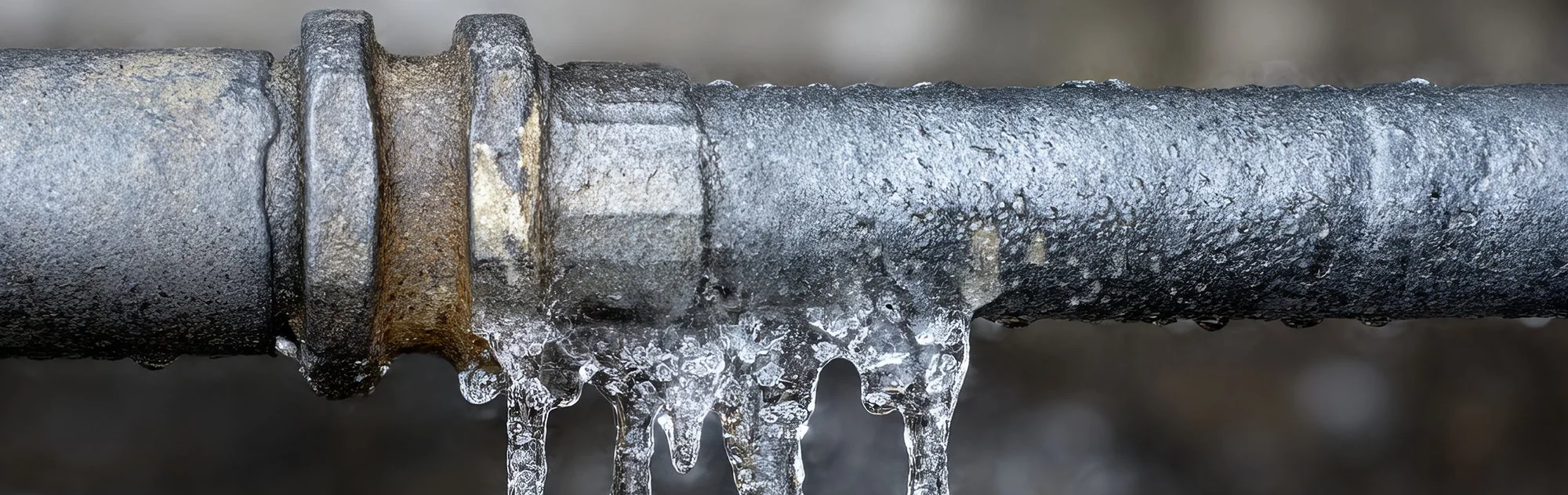
When the temperature drops below freezing, the water inside pipes can freeze and expand. This expansion creates immense pressure within the pipe walls, which may lead to cracks or even a burst pipe. Pipes in unheated areas, such as crawl spaces, garages, and attics, are particularly vulnerable since these spaces are often exposed to frigid temperatures without adequate protection or insulation.
In extreme cases, the risk of freezing increases when wind chills push the temperature even lower, allowing cold air to penetrate cracks or unsealed areas around the home. Properly addressing these areas can significantly reduce the likelihood of pipe freezing during winter weather. Right Choice Plumbing & Rooter often recommends sealing and insulating these vulnerable areas as one of the most effective preventive steps.
Pipes Most Likely to Freeze
Pipes located along exterior walls or outside walls are most susceptible to freezing, as they are directly exposed to the cold. Outdoor faucets, garden hoses, and sprinkler systems are also at high risk, especially when not properly winterized. Additionally, water supply lines in basements, crawl spaces, or under bathroom cabinet doors can freeze if they lack insulation or access to warm air.
Standing water left inside outdoor hoses or sprinkler systems can freeze and expand, causing damage to the connected plumbing. This is why it is crucial to disconnect and drain water from these outdoor pipes before the freezing temperatures set in. If outdoor plumbing is overlooked, Right Choice Plumbing & Rooter frequently responds to burst pipe and water line repair calls during the winter months.
How to Prevent Pipes from Freezing in Winter
Preventing frozen pipes starts with proactive measures. Begin by installing pipe insulation or foam insulation around exposed plumbing. This helps maintain higher temperatures inside the pipes, even when the surrounding area is cold. For areas prone to drafts, such as near dryer vents, windows, and pipe penetrations, sealing any gaps or cracks will reduce the impact of freezing weather.
Keeping garage doors closed is another simple yet effective step, as it prevents cold air from entering spaces where water supply lines may be located. Ensure warm air circulates in unheated areas by opening cabinet doors under sinks, especially during bitter cold conditions. Allowing a cold water drip from faucets can also keep water flowing and reduce the risk of freezing. These are some of the most common prevention tips recommended by Right Choice Plumbing & Rooter to homeowners each winter.
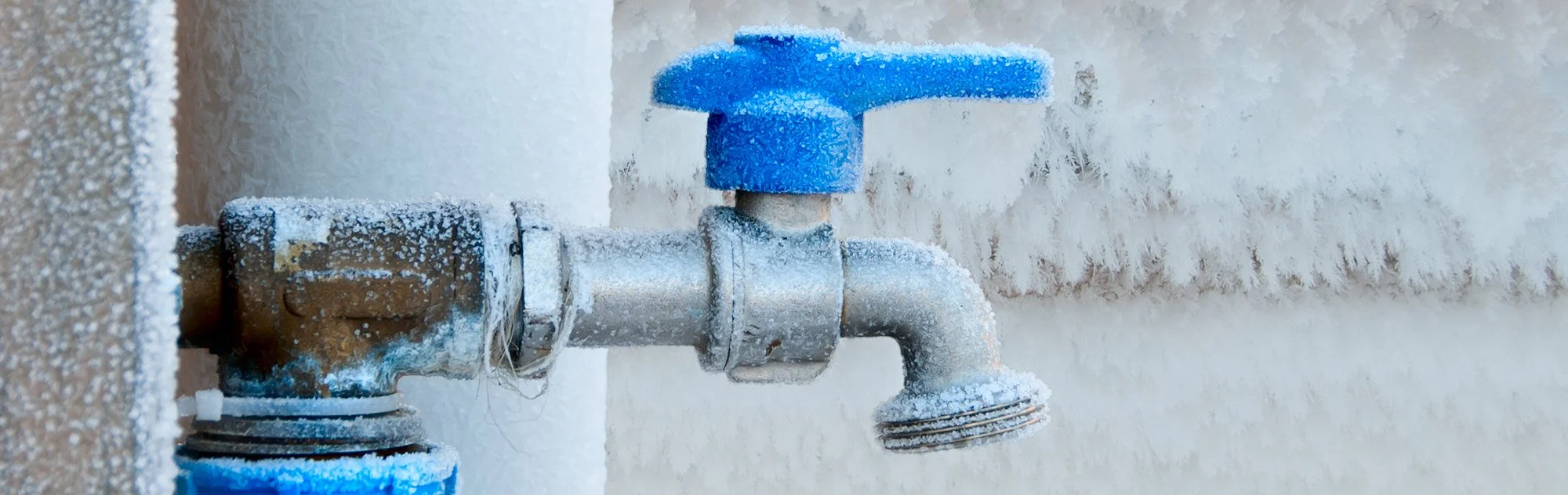
Outdoor pipes require special attention. Disconnect outdoor hoses, drain water from them, and cover outdoor faucets with insulated covers. Winterizing your sprinkler system is essential to prevent any standing water from freezing inside the pipes. For extreme cold weather, consider using heat tape or heat cables as a preventive measure, but always follow the manufacturer’s safety guidelines to avoid fire hazards. If you’d rather leave winterization to a professional, Right Choice Plumbing & Rooter offers thorough plumbing inspections and preventative services.
How to Keep Pipes From Freezing During Extreme Cold
Steps to Take Before Freezing Weather
Before temperatures plunge, inspect and insulate cold water pipes and your water tank, especially those located in unheated areas. This extra layer of insulation can significantly reduce the risk of pipe freezing. Locate your water shutoff valve and ensure it is easily accessible in case of an emergency, such as a burst pipe. Knowing the location of the shutoff valve can save valuable time and minimize water damage. Right Choice Plumbing & Rooter technicians always make sure homeowners know where their shutoff valve is located during service calls.
Seal any cracks in exterior walls or around windows to reduce the entry of cold air and limit wind chills. Using weatherstripping or caulk is a cost-effective way to keep your home sealed and warm. These small steps can make a big difference in maintaining higher temperatures around your water system.
When Freezing Temperatures Arrive
Once freezing weather arrives, take additional precautions to protect your pipes. Let a trickle of water flow from your faucets to maintain water flow and prevent freezing. The moving water helps to keep pipes from reaching the freezing point. If you have exposed plumbing in unheated areas, use a portable space heater to warm the area safely and effectively.
Closing garage doors is a critical step to keep frigid temperatures out of your water system area. If you have pipes running through the garage or near exterior walls, keeping the doors closed will help maintain a more stable temperature and reduce the risk of freezing. During extreme cold snaps, Right Choice Plumbing & Rooter often reminds homeowners that even small precautions can prevent major plumbing disasters.
Warning Signs Your Pipes May Be Freezing
Recognizing the warning signs of freezing pipes can help you act quickly to prevent further damage. One of the first indicators is reduced water pressure or no water flow from your faucets. This often signals a frozen section within the pipe lines. Frost forming on the exterior of pipes or the water meter in unheated areas is another clear sign of freezing temperatures affecting your plumbing.
Unusual smells coming from drains may also indicate frozen standing water that is blocking the pipe. In severe cases, you might notice bulging or cracked pipes, particularly along outside walls or in crawl spaces. Strange noises, such as banging or gurgling, within your water system could also point to a blockage caused by freezing. If you notice any of these warning signs, contacting Right Choice Plumbing & Rooter right away can help prevent a burst pipe and extensive water damage.
What Do You Do If Your Pipes Freeze? (Do This First)
If you suspect your pipes have frozen, the first step is to keep the affected faucets slightly open. This helps relieve pressure as the frozen area begins to thaw and allows water to flow once the blockage is cleared. Next, locate the frozen section of the pipe, which is often found in crawl spaces, exterior walls, or unheated areas.
If you notice a burst pipe, immediately shut off the water at the main shutoff valve to prevent further water damage. Avoid using harmful cleaners or flammable materials to thaw pipes, as these can create additional risks. Instead, call a licensed plumber if you are unable to safely thaw frozen pipes on your own. Right Choice Plumbing & Rooter provides same-day and emergency plumbing services to handle frozen and burst pipes quickly and safely.
How to Defrost Frozen Pipes Safely (DIY Steps + What NOT to Do)
Safe Methods for Thawing Pipes
If you discover a frozen pipe, it’s important to thaw it safely to prevent further damage. Begin by applying heat gradually to the affected area. A hair dryer, heating pad, or warm towels can be effective tools for this task. Start near the faucet and work your way back along the pipe line to ensure water can begin flowing as the ice melts.
Another option is to use a portable space heater to warm the frozen area, but be sure to place it safely away from flammable materials or other hazards. Always monitor the process and avoid leaving the heater unattended. For pipes located in hard-to-reach areas, such as a crawl space or behind walls, professional assistance from a licensed plumber may be necessary to ensure the job is done safely and effectively. This is where the experienced team at Right Choice Plumbing & Rooter can step in to help.
What to Avoid When Thawing Pipes
When attempting to thaw frozen pipes, it is crucial to avoid methods that could cause more harm than good. Never use open flames, torches, or charcoal grills to thaw pipes, as these pose significant fire risks and can damage the pipe material. Additionally, refrain from using harmful cleaners or chemicals, as they can corrode the pipes or introduce hazardous fumes into your home.
If you encounter a burst pipe or suspect significant damage, stop all attempts to thaw the pipe and call an emergency plumber immediately. Acting quickly and responsibly can minimize water damage and ensure the safety of your home and loved ones. Right Choice Plumbing & Rooter is available for emergency plumbing situations when frozen pipes turn into urgent problems.
Protect Your Home from Frozen Pipes This Winter
Preventing frozen pipes is essential to avoiding costly damage and ensuring your water system runs smoothly throughout the cold months. By following the tips outlined above—such as using pipe insulation, sealing drafts, and allowing faucets to drip—you can greatly reduce the risk of pipe freezing, even in the harshest winter weather.
If you need professional assistance, don’t hesitate to call a licensed plumber for guidance and repairs. Right Choice Plumbing & Rooter offers same-day service, clear communication, and upfront pricing to help protect your home from winter plumbing issues. Taking proactive steps now will give you peace of mind, protect your property, and help you enjoy a safe and comfortable holiday season with your loved ones.