
What Is a Galvanized Pipe? Understanding the Risks in Older Homes
What Are Galvanized Pipes?
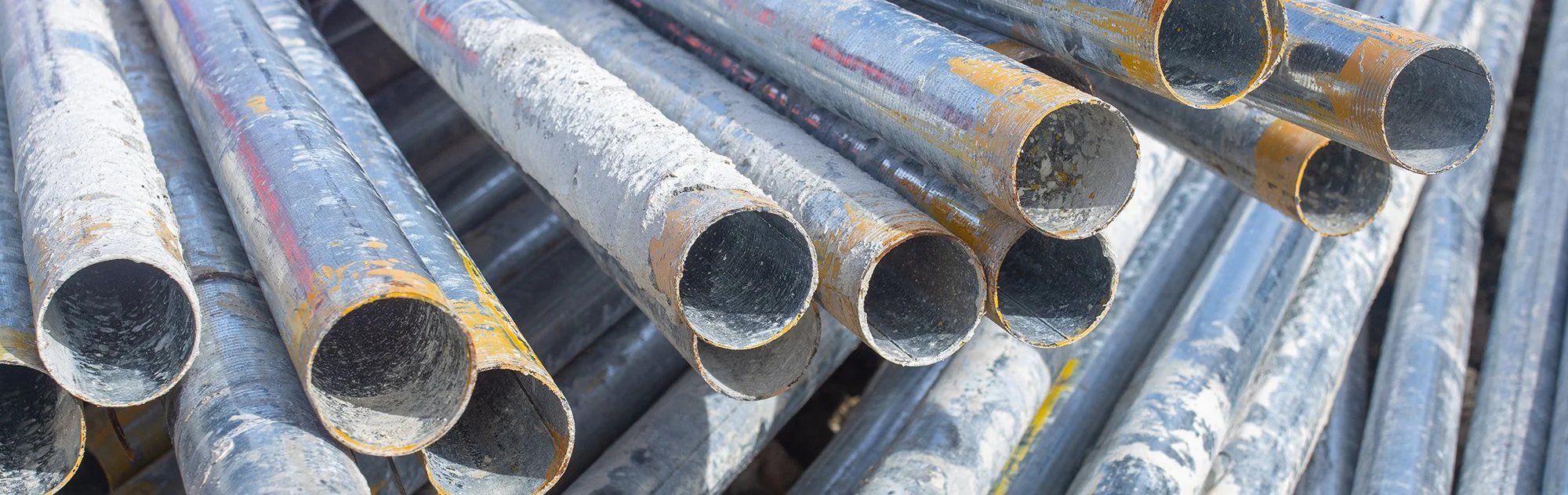
A galvanized pipe is a type of piping material commonly found in older homes and buildings. Made from steel and coated with molten zinc, it was widely used in the past for plumbing systems due to its corrosion resistance and durability. However, as time has passed, the downsides of using galvanized steel pipe have become increasingly apparent, especially in residential plumbing.
Galvanized piping was initially considered a good choice for water supply lines, water heaters, and fire sprinkler systems because of its protective zinc coating. Despite its early popularity, the aging of these pipes has led to numerous issues, including reduced water pressure, discolored water, and potential health concerns like lead contamination. Understanding the risks associated with galvanized pipes is essential for homeowners, particularly those living in older homes. Learn more about galvanized pipes with the team at Right Choice Plumbing & Rooter.
What Is a Galvanized Pipe?
The Basics of Galvanized Steel Pipes
Galvanized steel pipes are created by coating steel pipes with molten zinc during a process known as galvanization. This galvanized coating forms a protective layer that shields the steel from corrosion and rust, extending the pipe's lifespan. Originally, this type of pipe was favored for its corrosion resistance, making it a common choice for residential homes, fire sprinkler systems, and water lines. The zinc layer also helps prevent mineral deposits from accumulating inside of the pipe, allowing for smoother water flow during its early years of use.
Many older homes still have galvanized piping in place, as it was a standard building material throughout much of the 20th century. While the protective layer of zinc provided significant benefits at the time, issues like aging, corrosion, and reduced water pressure have made it less favorable compared to modern alternatives.
How the Galvanization Process Works
The galvanization process involves a method known as hot dip galvanizing. This manufacturing process submerges black steel pipes into molten zinc to create a protective zinc coating on the surface. This coating acts as a barrier to prevent iron oxide, commonly known as rust, from forming on the steel. By slowing down corrosion, the life expectancy of galvanized steel pipe is significantly extended, making it suitable for residential plumbing and other applications.
However, over time, the protective layer of zinc can wear off, exposing the steel underneath to moisture and air. This results in rust and other forms of corrosion, diminishing the pipe's durability. While the process was a good choice for plumbing needs in the past, modern piping materials like copper piping, PEX pipes, and polyvinyl chloride (PVC) now offer better corrosion protection and longer-lasting solutions.
Why Are Galvanized Pipes a Problem in Older Homes?
Common Issues with Galvanized Piping
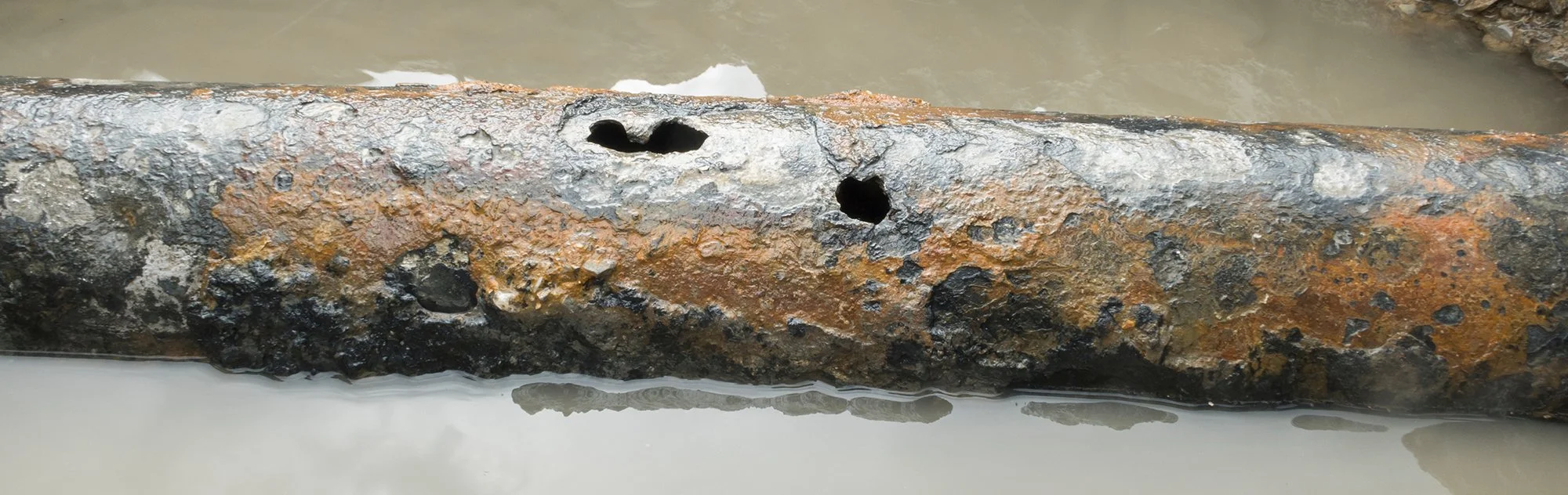
Galvanized pipes in older homes are prone to several problems due to aging and the breakdown of the protective zinc layer. One major issue is the buildup of corrosion inside of the pipe, which reduces water flow and leads to low water pressure. As corrosion worsens, it can cause discolored water to flow through taps, often accompanied by a metallic or bitter taste. This is not only unpleasant but can also indicate the presence of harmful substances.
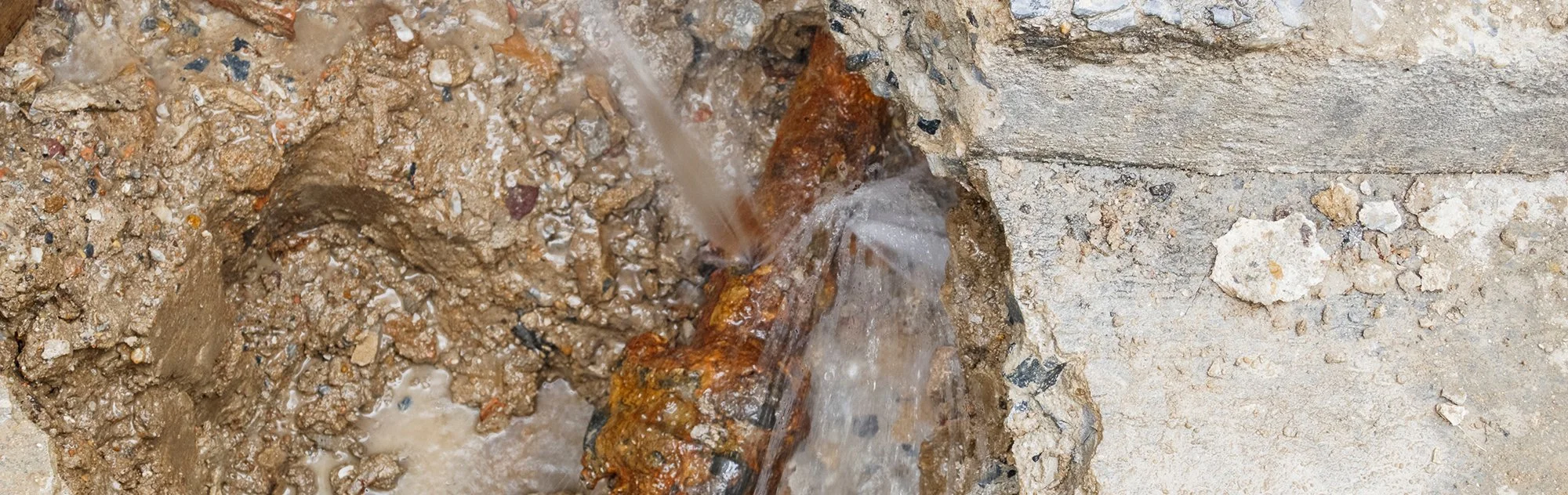
Another concern with galvanized piping is the potential for lead contamination. As the protective zinc coating deteriorates, lead from the original piping materials or solder can leach into the water supply. This poses significant health risks, especially for families with children. Frequent leaks, pipe bursts, and the need for constant repairs are also common signs of deteriorating galvanized steel pipes.
Impact on Residential Plumbing Systems
Modern plumbing systems are often incompatible with older galvanized pipes. For instance, connecting galvanized piping to newer materials like PEX pipes or copper piping can lead to pipe joint issues and increased corrosion. Additionally, corrosion inside the pipes can affect water heaters and air conditioning piping systems, leading to costly repairs or replacements. Homeowners may also face challenges when trying to meet current plumbing needs, as the aging galvanized steel pipe may no longer be reliable or safe for drinking water distribution systems.
How Long Will Galvanized Pipe Last Underground?
Factors Affecting Durability
Galvanized pipes typically have a life expectancy of 50 to 70 years. However, underground galvanized piping is exposed to additional factors that can significantly reduce its lifespan. Moisture, soil acidity, and the absence of a sacrificial anode all contribute to faster corrosion. Over time, the protective layer of zinc wears away, leaving the steel vulnerable to rust and degradation. This can lead to leaks, pipe bursts, and contamination of the water supply.
The durability of underground galvanized pipes also depends on the coating process used during manufacturing and the quality of the zinc layer. In many cases, homeowners in older homes may find that their underground pipes have already reached the end of their usable life, necessitating replacement.
Signs of Corrosion and Aging
There are several signs that galvanized pipes are corroding or aging. Discolored water, often brown or reddish in appearance, is a clear indicator of rust or corrosion inside the pipe. Reduced water pressure is another common symptom, caused by the buildup of mineral deposits and rust that restrict water flow. Visible rust or corrosion on pipe joints or other exposed sections of piping can also signal that the pipes are nearing the end of their lifespan. These issues can compromise drinking water distribution systems and lead to further damage if not addressed promptly.
Should I Replace Galvanized Pipes?
When to Consider Replacement
Replacing galvanized pipes is often necessary when homeowners experience persistent low water pressure, frequent leaks, or visible signs of corrosion. Aging galvanized steel pipes are particularly concerning in older homes, as they may also contain lead pipes or other outdated plumbing materials. If lead contamination or discolored water is present, immediate pipe replacement is strongly recommended to protect the health and safety of your household.
Additionally, if you notice pipe bursts or find that your plumbing system cannot meet modern plumbing needs, it may be time to replace galvanized piping with more reliable materials. A home inspector can help identify the condition of your existing pipes and recommend the next step.
Modern Piping Materials to Replace Galvanized Pipes
There are several modern piping materials available to replace outdated galvanized pipes. PEX pipes are a popular choice for their flexibility, corrosion resistance, and ease of installation. Copper pipe is another reliable option, known for its durability and ability to improve water quality. For those looking for a lightweight and cost-effective solution, polyvinyl chloride (PVC) pipes are an excellent alternative.
Each type of pipe offers unique benefits, so it’s essential to consider your specific plumbing needs when deciding on a replacement material. Consulting a licensed plumber can help ensure that you choose the right option for your home.
Benefits of Replacing Galvanized Piping
Upgrading to modern plumbing materials can provide numerous benefits for homeowners. Replacing galvanized piping improves water flow, enhances tap water taste, and eliminates the risk of lead contamination. It also reduces the likelihood of costly repairs from pipe bursts or water damage, saving you money in the long run.
Additionally, new plumbing systems increase the overall value and safety of residential homes. By addressing potential health concerns and ensuring a reliable water supply, homeowners can enjoy greater peace of mind.
Professional Pipe Replacement and Repair Services
Professional services for pipe replacement and repair are essential when dealing with aging galvanized pipes. Trenchless pipe rehabilitation and epoxy coating solutions offer minimally invasive options for addressing corroded water lines. Hydro jetting can be used to clear mineral deposits and restore water flow without the need for extensive excavation.
Licensed technicians can replace black steel pipes, sewer pipes, and other outdated piping materials with modern alternatives. Same-day service is often available for urgent plumbing needs, ensuring that your home’s plumbing system is restored as quickly as possible. Call us today to take advantage of special offers like $89 off pipe rehabilitation or replacement services.
By working with experienced professionals, homeowners can address plumbing issues efficiently and effectively, protecting their homes from further damage.
Act Now to Protect Your Plumbing System
Taking proactive steps to address galvanized pipes in your home can prevent costly repairs and potential health concerns down the road. Scheduling an inspection with a trusted plumbing service like Right Choice Plumbing & Rooter ensures that any issues are identified and resolved promptly. From pipe replacement to trenchless repair solutions, professionals can help you modernize your plumbing system and safeguard your home’s water supply.
Don’t wait for problems to escalate—act today to protect your plumbing system and improve your home’s safety and value. Contact Right Choice Plumbing & Rooter to schedule an inspection and take advantage of expert services tailored to your plumbing needs.